July 1, 2026
A roof serves as one of the most important protective barriers for any home. It shields the interior from rain, wind, and other environmental elements while helping maintain comfort and structural stability. When a leak develops, however, water often follows an unexpected route before becoming visible inside the property. This hidden movement can make identifying the true source of a problem far more complicated than many homeowners realize.
Understanding how roof leaks are detected can help property owners recognize the importance of professional assessments and timely repairs. By working with local roofers, homeowners can gain valuable insight into the causes of leaks and the methods used to uncover them before extensive damage occurs.
Understand How Water Travels
One of the most challenging aspects of leak detection is that water rarely appears directly beneath the point where it enters the roof. Instead, moisture can travel along decking, rafters, insulation, and other structural components before becoming visible inside the home.
Gravity, building materials, and roof design all influence the path water follows. A stain on a ceiling may appear far from the actual entry point, making visual clues alone unreliable. Professional inspections focus on understanding these hidden pathways to trace moisture back to its source accurately.
Experienced local roofers recognize that identifying the true origin of a leak requires careful investigation rather than assumptions based solely on visible damage. This approach helps prevent unnecessary repairs and ensures that underlying concerns are properly addressed.
Identify Common Leak Sources
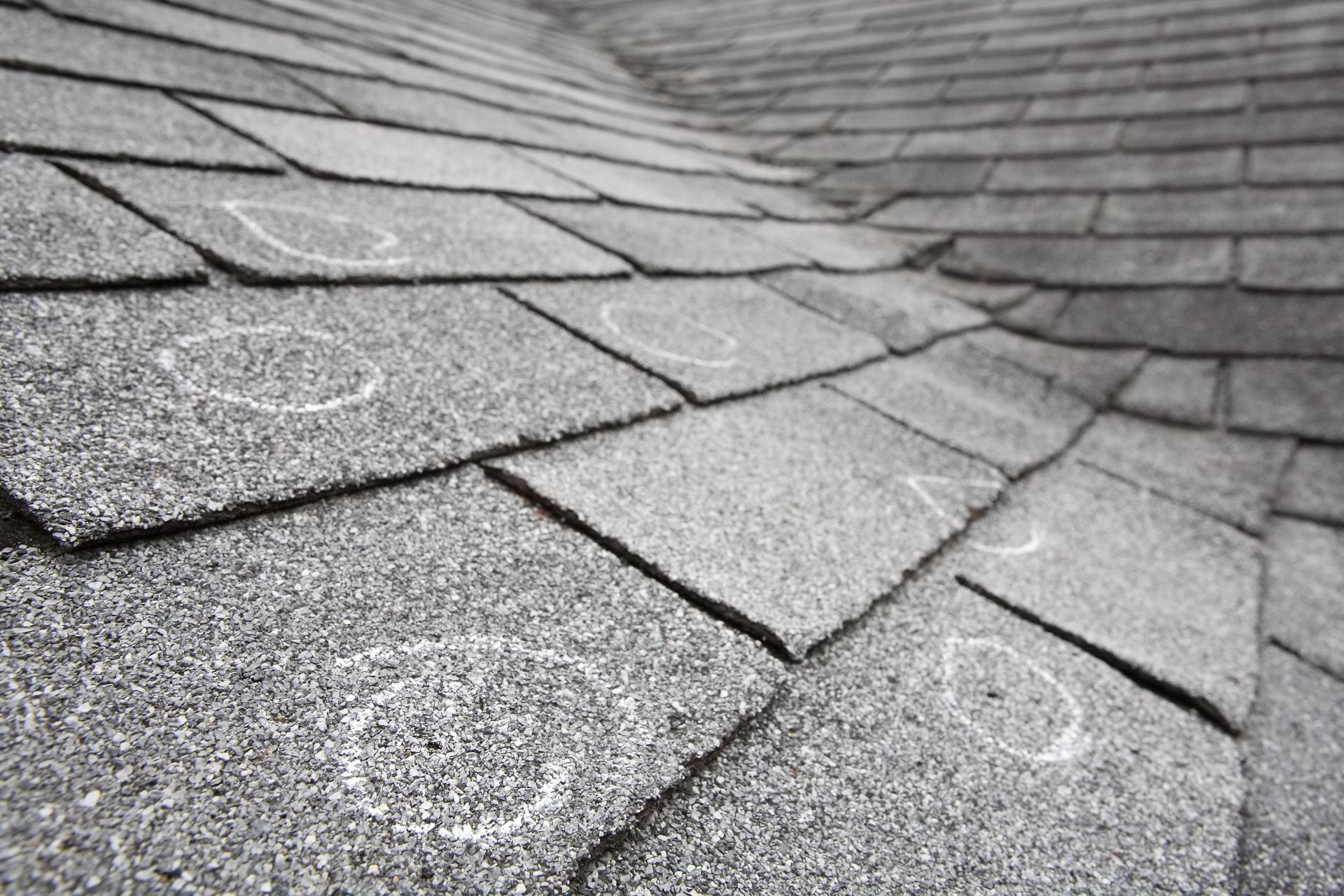
Roof leaks can develop from a variety of conditions. Weather exposure, aging materials, damaged flashing, and compromised roof penetrations are among the most common causes. Areas surrounding vents, skylights, chimneys, and roof transitions often require special attention because they contain additional components that must remain watertight.
Debris accumulation can also contribute to drainage problems that allow moisture to infiltrate vulnerable areas. Even minor deterioration may create pathways for water to enter the roofing system over time.
According to RubyHome, around 33% of homeowners end up replacing their roofs due to leaking concerns. This statistic highlights the importance of identifying moisture issues early before they contribute to more extensive roofing problems.
By evaluating the entire roofing system rather than focusing on a single visible symptom, local roofers can determine whether a leak stems from material wear, installation concerns, environmental exposure, or a combination of factors.
Examine Interior Warning Signs
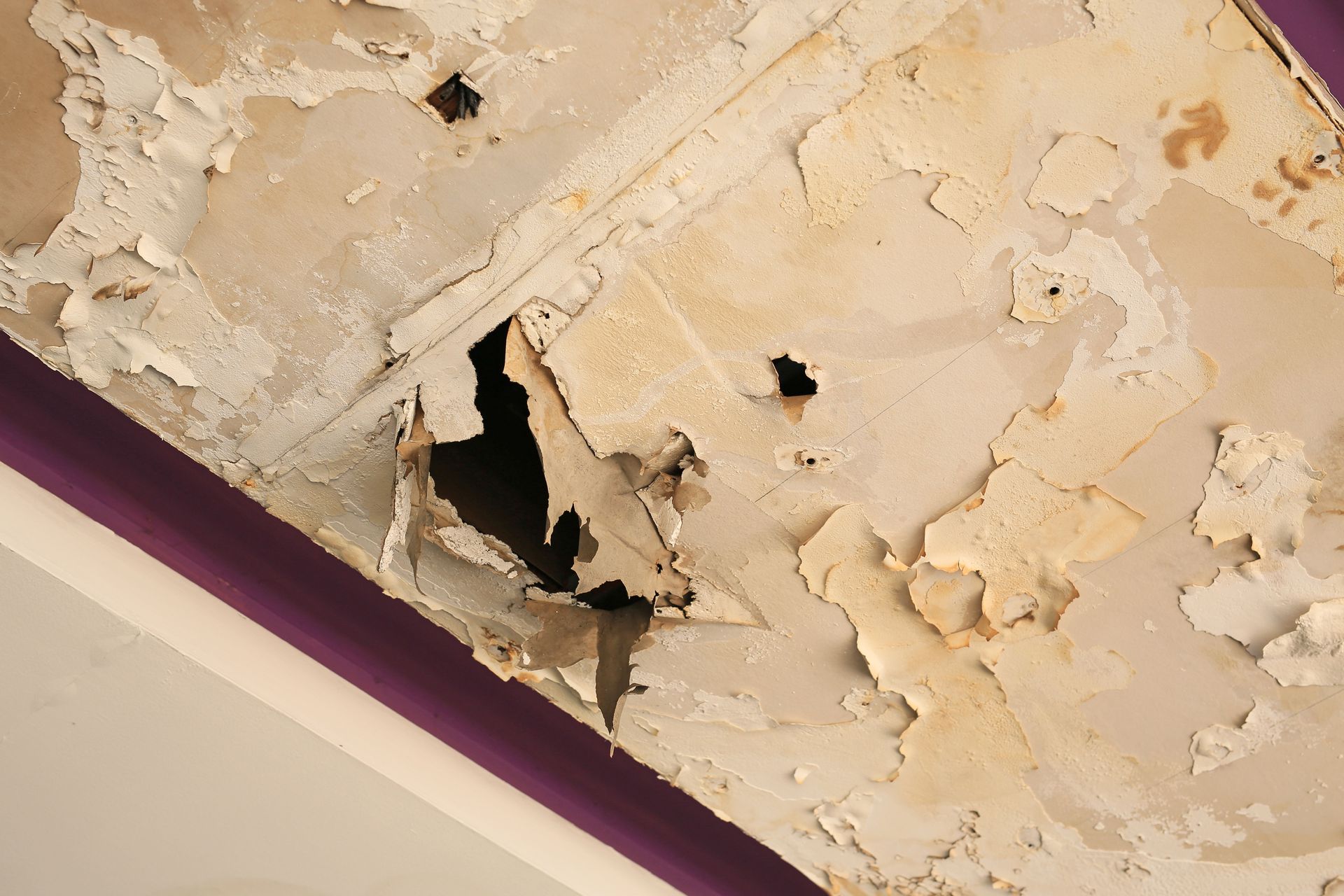
Leak detection often begins inside the home. While visible water intrusion may seem obvious, many warning signs are more subtle. Discoloration on ceilings, peeling paint, musty odors, and damp insulation can all indicate hidden moisture.
Changes in indoor humidity levels may also signal that water is entering the structure. In some cases, homeowners notice mold growth or warped materials before seeing actual water stains.
A comprehensive inspection involves evaluating these interior indicators alongside exterior roofing conditions. This process helps professionals connect interior symptoms with potential roofing vulnerabilities.
Because leaks can remain concealed for extended periods, local roofers frequently investigate areas that appear unaffected at first glance. Their ability to interpret warning signs can help uncover issues before significant structural damage develops.
Utilize Professional Detection Methods
Modern leak detection involves much more than simply looking for damaged shingles. Roofing professionals use systematic inspection techniques designed to pinpoint moisture intrusion with greater accuracy.
Visual evaluations remain an important part of the process, but inspectors may also assess drainage patterns, flashing conditions, roof penetrations, and ventilation systems. The goal is to understand how water interacts with the entire roofing assembly.
Professional leak detection often requires patience and attention to detail. Water may enter through a small opening and travel through multiple building components before becoming visible. As a result, thorough inspections are essential for identifying hidden vulnerabilities.
When investigating complex moisture issues, local roofers rely on their understanding of roofing systems and regional weather patterns. Their familiarity with local construction practices can provide valuable context when diagnosing challenging leak situations.
Evaluate Potential Damage Areas
A roof leak can affect much more than roofing materials alone. Once moisture enters a structure, it can impact insulation, framing, drywall, ceilings, and other building components. Prolonged exposure may create conditions that compromise both comfort and structural integrity.
Evaluating affected areas helps determine the extent of the problem and guides recommendations for corrective action. Moisture that remains trapped within building materials can continue causing damage even after visible leaks appear to have stopped.
Professional assessments focus on identifying both current and potential impacts. This comprehensive approach helps ensure that hidden concerns are not overlooked during the repair process.
Many homeowners are surprised to learn how far water can travel before becoming visible. For this reason, local roofers often inspect surrounding areas to identify moisture migration patterns and assess the broader effects of a leak.
Prevent Future Moisture Intrusion
Effective leak detection is not solely about finding current problems. It also involves identifying conditions that could contribute to future moisture intrusion. Preventive measures can help extend the life of a roofing system while reducing the likelihood of recurring leaks.
Routine inspections play a significant role in this effort. Regular evaluations allow professionals to identify signs of wear, damaged components, and vulnerable areas before they develop into larger concerns.
Maintenance recommendations may include addressing drainage issues, replacing deteriorated materials, improving flashing performance, or correcting ventilation concerns. These measures are designed to address vulnerabilities before they develop into more significant roofing problems. Proper drainage helps direct water away from the roof surface, while well-maintained flashing provides added protection around penetrations and transitions that are commonly exposed to moisture. Replacing worn or damaged materials can restore the roof’s ability to withstand environmental conditions, and adequate ventilation helps regulate temperature and moisture levels within the roofing system.
By partnering with local roofers, homeowners can gain a better understanding of their roof’s condition and receive guidance tailored to the specific environmental conditions affecting their area. Preventive attention often helps minimize future repair needs and supports overall property protection.
Appreciate the Value of Early Detection
The earlier a leak is identified, the greater the opportunity to limit damage and preserve the condition of the home. Small moisture issues can sometimes remain hidden for extended periods, gradually affecting building materials before noticeable symptoms emerge.
Early detection helps reduce uncertainty by identifying concerns before they spread throughout the structure. It also allows property owners to make informed decisions regarding maintenance and repairs.
Roofing systems are complex, and leak detection often requires expertise that goes beyond surface-level observations. Understanding how water travels, where vulnerabilities commonly occur, and how hidden moisture behaves can make a significant difference in the outcome of an inspection.
This is why many homeowners rely on local roofers when signs of moisture appear. Their knowledge of roofing systems, regional conditions, and leak detection techniques helps provide clarity when diagnosing roofing concerns and protecting long-term property value.
Roof leaks often follow hidden paths that make their source difficult to identify without professional evaluation. Understanding how water travels through a structure, recognizing warning signs, and addressing concerns early can help prevent more extensive damage over time. Leak detection is a detailed process that requires careful assessment of both interior and exterior conditions to uncover the true origin of moisture intrusion. When roofing concerns arise, timely inspections and expert guidance can help protect the integrity of your home and provide confidence in the condition of your roofing system.
Contact Bates Roofing today to schedule an inspection. Together, we can identify hidden sources of leaks, protect our homes from moisture damage, and take proactive steps to maintain a stronger, more reliable roof.