August 28, 2026
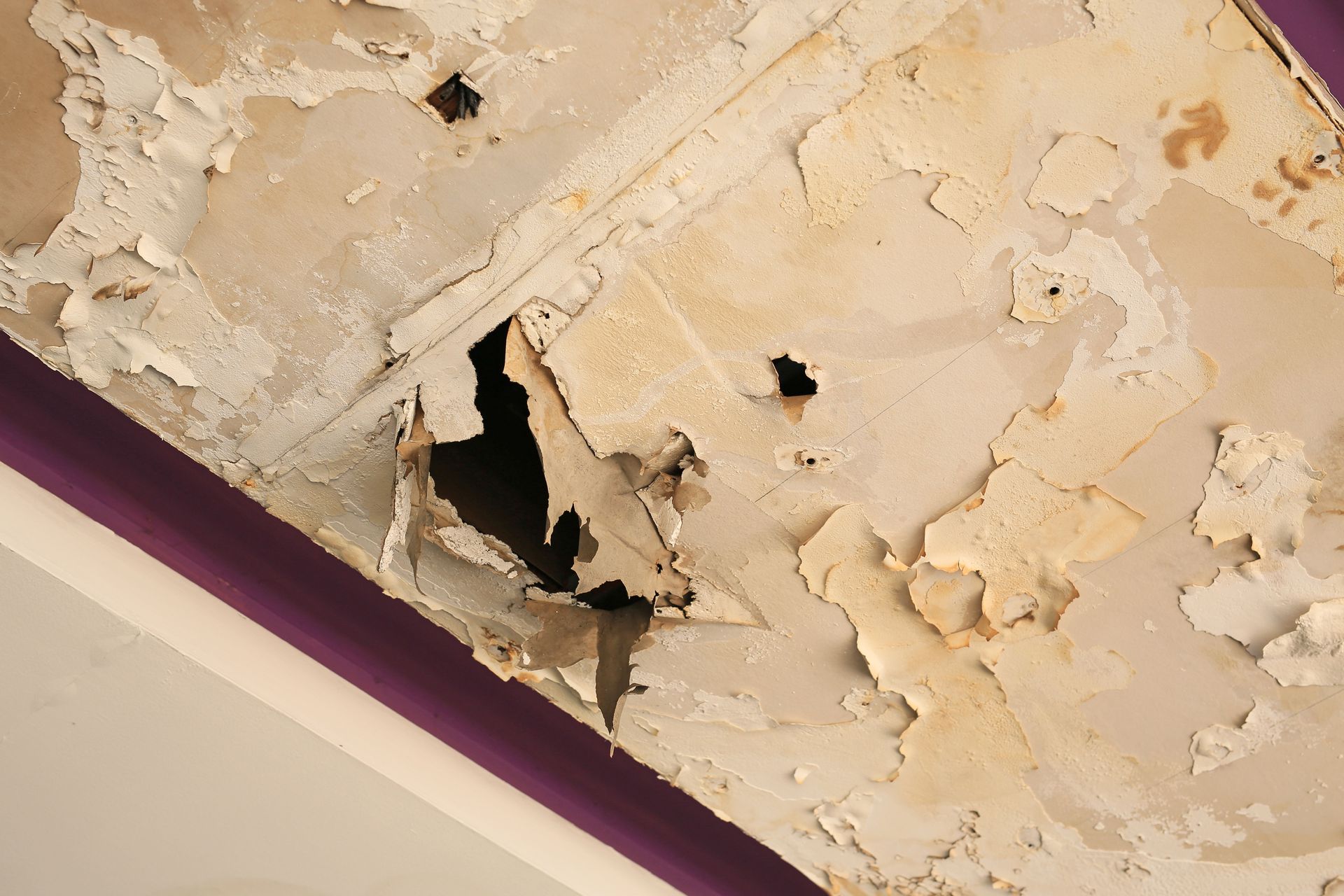
When water drips through a ceiling, most property owners immediately assume that missing or damaged shingles are the direct cause of the leak. However, water damage is frequently caused by failures in the thin metal strips installed along roof joints, valleys, and wall intersections. According to the National Roof Authority, poorly installing flashing by slathering cheap roofing cement or caulk leads to the sealant cracking with five to seven years, causing a leak. Here is a closer look at how metal flashing protects your structure and why resolving flashing failures requires experienced professional care.
Identifying the Critical Role of Metal Flashing
Roof flashing acts as a primary weatherproofing barrier at every transition point where the primary roofing material meets a vertical surface or angle change. Installed around chimneys, skylights, plumbing vents, and sidewalls, these custom-bent metal sheets channel heavy rainwater safely away from vulnerable seams toward your gutter system. When these hidden metal components rust, lift, or pull away, water easily bypasses shingles and penetrates the underlying roof deck. Scheduling a comprehensive inspection with a professional roofing service ensures that every critical metal junction remains watertight and properly secured against harsh weather.
Recognizing Common Causes of Flashing Deterioration
Metal flashing undergoes constant stress due to weather exposure, wind uplift, and natural temperature shifts throughout the year. Daily thermal expansion and contraction cause metal strips to expand during sunny afternoons and contract at night, eventually pulling nails loose and breaking surface sealants. Additionally, poor original installation, improper metal layering, or mixing incompatible metals can cause galvanic corrosion that eats holes through the barrier. Partnering with a reliable roofing company allows technicians to spot loosened fasteners, corroded metal, and compromised sealant before hidden moisture causes severe structural rot.
Galvanic corrosion occurs when two dissimilar metals, such as copper and aluminum, come into direct contact in the presence of moisture, causing the less noble metal to deteriorate rapidly. Furthermore, high winds can lift loose edges of valley or perimeter metal, allowing wind-driven rain to drive upward beneath surrounding shingles.
Experienced technicians inspect all metal components for micro-cracks, rust spots, and backed-out fasteners that undermine waterproof integrity. When compromised components are discovered, professional installers replace old materials with heavy-gauge, corrosion-resistant metals installed using proper overlap techniques and thermal expansion gaps. Scheduling a professional roofing service for routine maintenance stops metal degradation in its tracks, preserves structural underlayment, and extends the overall performance life of your entire roof assembly.
Preventing Water Intrusion Around Roof Chimneys
Chimneys are particularly vulnerable to water leaks because they intersect the roof line on multiple sides, catching heavy runoff from higher slopes. Proper chimney protection requires a layered metal system, including step flashing woven under shingles and counter-flashing embedded directly into mortar joints. When mortar crumbles or counter-flashing pulls loose from brickwork, rainwater flows freely behind the metal sheets into internal ceiling spaces. Hiring an experienced roofing service guarantees that old chimney metal is replaced correctly with custom-bent aluminum or copper, restoring a completely seamless barrier around masonry structures.
A complete chimney protection system also requires a custom-built cricket or saddle on the high side of the structure to divert flow around wide masonry obstacles.
Without this sloped wooden frame covered in metal flashing, leaves, snow, and heavy rain collect behind the chimney, creating standing pools that erode surrounding mortar and shingles over time. Specialized technicians carefully cut reglets into brick joints, insert lead or copper counter-flashing, and seal seams with flexible, waterproof masonry caulk. They also inspect crickets and base step flashing for hidden rust or structural shifting caused by natural house settling. Relying on an established roofing company ensures that your chimney masonry and roof intersection are completely sealed against heavy downpours, preventing costly ceiling stains, rotted roof decking, and internal fireplace moisture issues.
Waterproofing Roof Valleys and Wall Intersections
Valleys created where two sloping roof sections meet carry the highest volume of rainwater off your roof during sudden storms. If open or closed valley metal becomes misaligned, punctured, or clogged with organic debris, backing water will quickly seep underneath adjacent shingles. Similarly, sidewall intersections where roof edges meet exterior siding require properly overlapped step flashing to prevent wind-driven rain from penetrating wall cavities. Booking an expert roofing company ensures these high-capacity runoff channels are thoroughly cleared, properly sealed, and structural flashing layers are correctly integrated into wall barriers.
Because roof valleys act as heavy drainage troughs, even minor installation errors or accumulated pine needles can create standing water dams that force moisture upstream beneath surrounding shingles. Step flashing along sidewalls must be meticulously interwoven with each shingle course, creating a staggered staircase pattern that directs cascading water down toward the lower eaves. If contractors skip step flashing in favor of single metal strips or improperly lap house wraps, heavy rains bypass exterior siding and rot wall studs, interior drywall, and floor joists behind the scenes. Professional roofers replace worn valley linings with heavy-gauge galvanized steel or ice-and-water shield underlayments engineered to handle high water velocity.
Scheduling a professional roofing service to overhaul compromised valleys and sidewall connections prevents expensive structural rot, keeps interior living spaces dry, and restores complete watershedding capability across your roof's most vulnerable drainage paths.
Sealing Plumbing Vents and Roof Penetrations
Plumbing stacks, exhaust vents, and attic turbines represent necessary openings in your roof surface that demand specialized flashing rubber boots and metal collars. Over time, constant ultraviolet exposure dries out synthetic rubber seals around vent pipes, causing them to crack, split, and leak during heavy downpours. Replacing deteriorated vent boots requires delicate work to lift surrounding shingles without tearing the underlayment underneath. Consulting a skilled roofing service ensures that worn pipe boots and roof caps are promptly replaced with high-durability materials that maintain airtight, leak-free seals around all exterior penetrations.
Neglecting worn vent seals allows rainwater to travel quietly along pipe conduits, saturating surrounding ceiling drywall and encouraging hidden mold growth inside attic insulation. Professional technicians assess every roof penetration, checking for hairline rubber fractures, loose collar clamps, and rusted metal flanges. During repairs, experienced installers carefully detach surrounding shingles, replace damaged underlayment, and slide heavy-duty, weather-resistant flashing collars over the pipes.
They secure these components with corrosion-resistant fasteners and apply high-grade polyurethane sealant around perimeter edges for maximum moisture protection. Utilizing a qualified roofing company guarantees that all mechanical vents are properly flashed and integrated into your roof structure. This proactive maintenance prevents unexpected interior water stains, preserves attic air quality, and ensures your roof deck stays dry and structurally sound for years to come.
Maintaining Flashing Systems Through Regular Inspections
Proactive roof maintenance is the single best way to prevent minor flashing issues from turning into costly interior water damage and structural repairs. Routine visual checks catch loose metal, cracked sealants, and lifted shingles early, saving property owners thousands of dollars in unexpected ceiling and drywall restorations. A certified roofing service performs thorough multi-point checks across all flashing joints, securing loose fasteners and applying premium grade weatherproofing sealants where needed. Consistent care extends the lifespan of your entire roofing system and gives you total peace of mind through every season.
Protecting your building from hidden water damage starts with ensuring every flashing seal, valley, and penetration remains completely watertight. When you suspect a roof leak or need a comprehensive professional assessment of your home's exterior, trust the team at Bates Roofing to deliver reliable, high-quality workmanship. Contact us today to schedule your roof inspection and keep your property safe, dry, and secure!