October 8, 2026
From the ground, a roof can look perfectly fine even when problems are developing. Shingles may appear intact, the roofline may seem straight, and there may be no obvious leak inside. A professional inspection can reveal early signs of wear that are difficult to evaluate from a driveway or yard.
An experienced local roofing contractor knows where roofing systems are most vulnerable and how their components should work together. Rather than looking only for missing shingles, a roofer can examine flashing, valleys, ventilation, drainage, and structural movement. That closer view can help determine whether the roof needs maintenance, repair, or replacement.
Subtle Sagging and Structural Movement
Sagging is one of the most important conditions a roofing professional may notice during an inspection. A slight dip can be difficult to recognize from ground level, especially on a large or complex roof. Up close, changes in the roofline may be easier to identify.
ials.
Sagging can have several possible causes, including weakened decking, prolonged moisture exposure, or problems with supporting components. It should not be diagnosed from appearance alone, but visible movement is a reason to have the structure evaluated. A local roofing contractor can determine whether the uneven area is cosmetic, related to the roof covering, or a sign that further investigation is needed.
Early Shingle Wear and Granule Loss
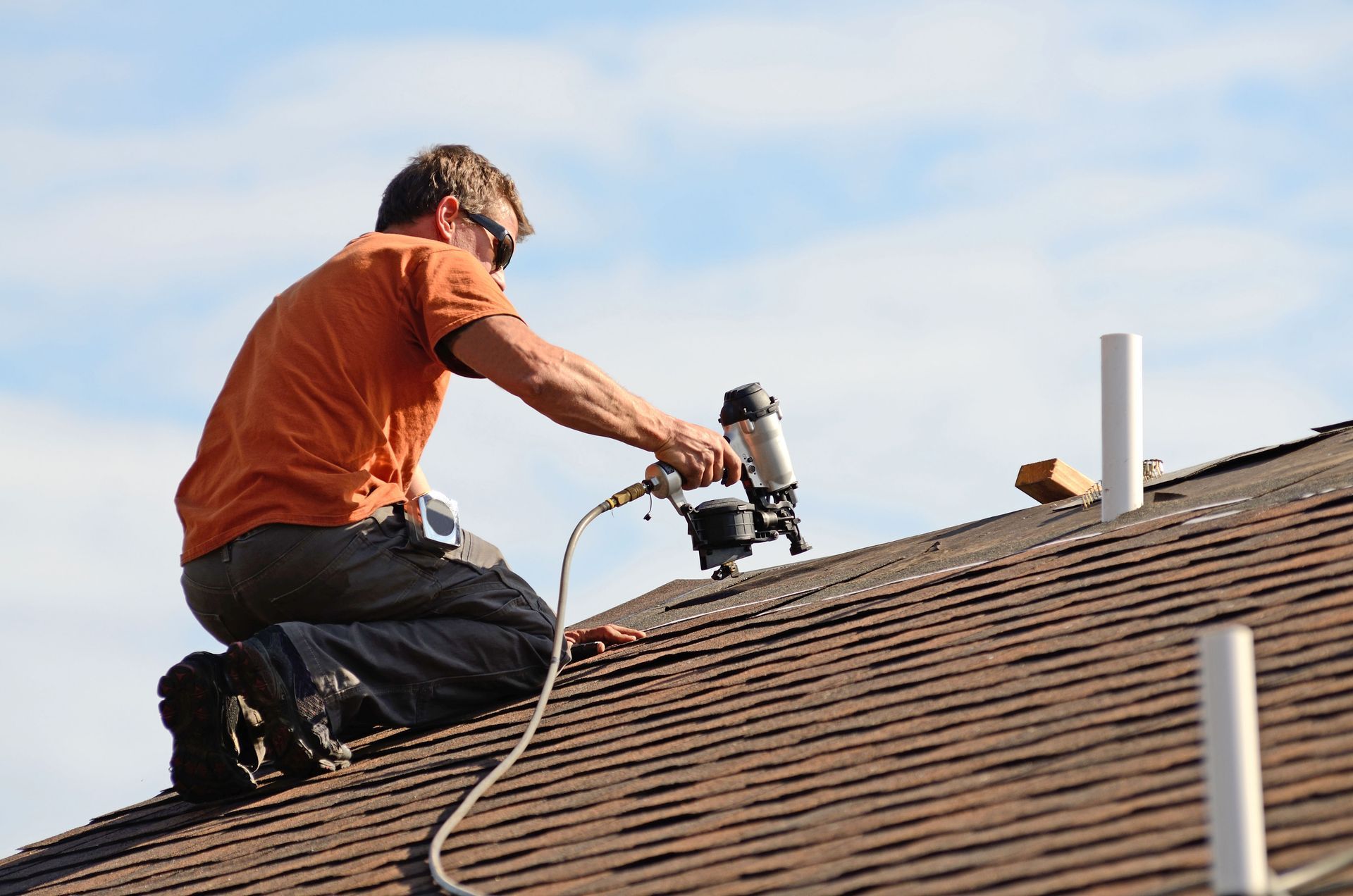
Homeowners can sometimes see missing shingles from the ground, but subtler shingle deterioration is much easier to identify up close. Curling edges, exposed fiberglass mat, cracks, worn surfaces, loose tabs, and areas with reduced granule coverage can all provide information about the condition of an asphalt roof.
Granules help protect asphalt shingles, and gradual loss is expected as a roof ages. The important question is whether certain sections are deteriorating faster than others.
Bates Roofing specifically identifies worn shingles, curling edges, exposed fiberglass mat, and shingles with minimal remaining granules as signs homeowners may need to consider roof replacement. An inspection can also determine whether the wear is isolated enough for repair or widespread across the roofing system.
According to Fixr.com's U.S. Roofing Industry Statistics 2025 report, there were 101,679 roofing contractor businesses operating in the United States as of 2025. With so many contractors available, choosing an experienced local roofing contractor can help homeowners receive an assessment informed by regional weather and roofing conditions.
Flashing Gaps Around Roof Transitions
Roof flashing is installed where roofing materials meet chimneys, skylights, walls, vents, valleys, and other transitions. These are some of the areas where water must be redirected carefully, so small flashing problems can eventually contribute to leaks.
From the ground, flashing may be almost impossible to evaluate. A professional can look for loose metal, damaged sections, deteriorated sealants, lifted surrounding shingles, or other signs that a transition is no longer managing water as intended.
Bates Roofing includes flashing evaluation in its roof inspections and flashing maintenance in its roof maintenance services. The company also provides flashing replacement as part of specialized valley repair work.
Valley and Penetration Weak Points
Roof valleys handle concentrated runoff because two roof slopes meet and direct water into the same channel. Plumbing vents, exhaust vents, skylights, and other penetrations also interrupt the continuous roof surface. Both areas deserve close attention during an inspection.
A contractor can check whether valley materials are worn, flashing is secure, surrounding shingles remain properly positioned, and penetrations are sealed and integrated with the rest of the roofing system. Even a small defect can matter because these areas regularly manage water.
Bates Roofing provides professional valley repairs, waterproofing, flashing replacement, and complete roof inspections throughout the Puget Sound area. Catching a weak point before water reaches the roof deck can reduce the chance of a small exterior issue becoming an interior leak.
Drainage Problems Along Gutters and Roof Edges
A roof does not stop protecting the home when water reaches the edge of the shingles. Gutters and downspouts must continue moving that water away from the structure. During an inspection, a roofing professional can evaluate how the roof and gutter system are working together.
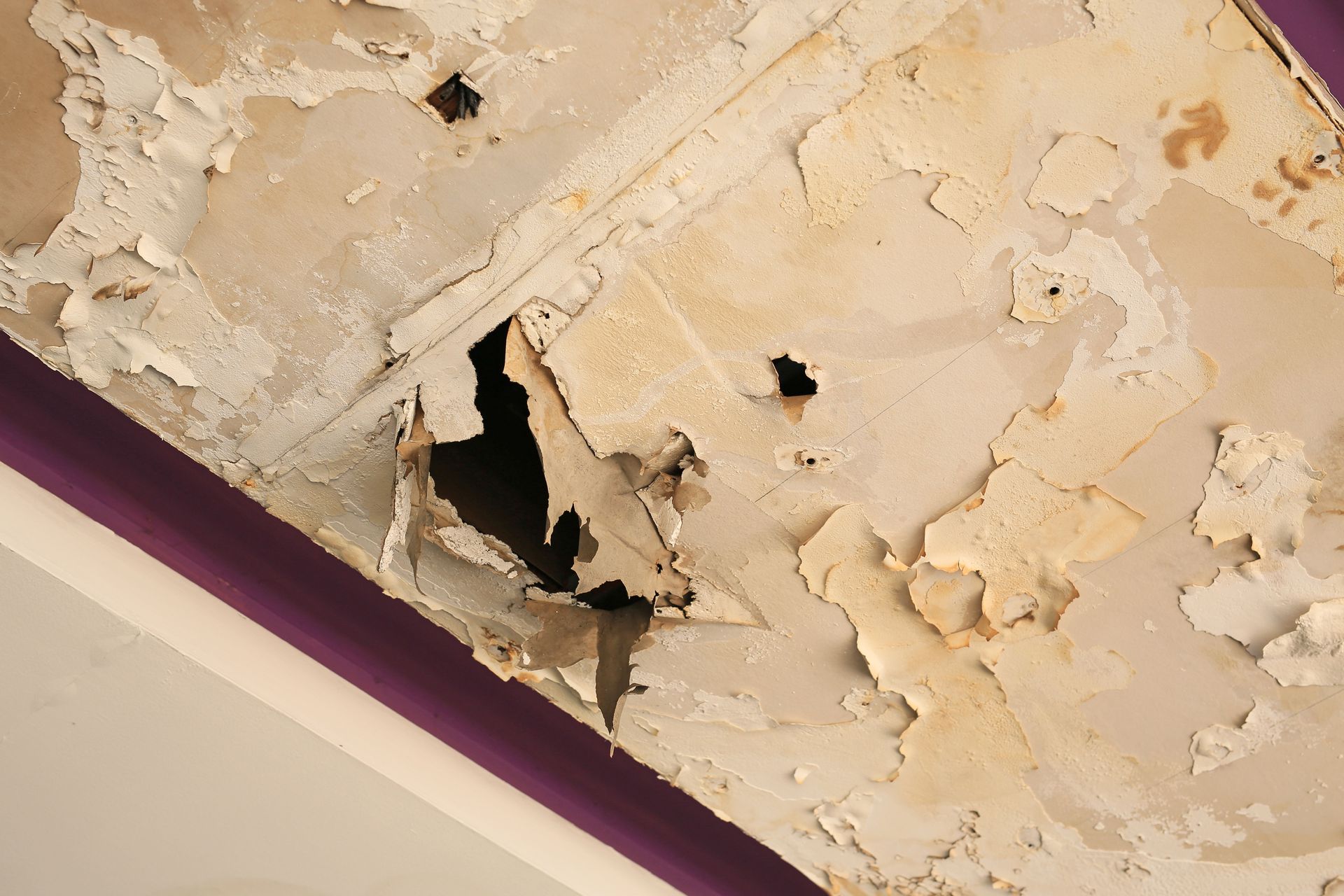
Loose gutters, debris buildup, drainage problems, damaged edge materials, or signs of repeated overflow can indicate that water is not leaving the roof efficiently. In the Puget Sound's wet climate, effective drainage is especially important.
Bates Roofing includes gutter evaluation in its roof inspections and offers gutter installation, repair, maintenance, and replacement. Its maintenance services also include gutter cleaning and repair.
A local roofing contractor can look at the entire drainage path rather than treating the roof and gutters as unrelated systems. That broader view may reveal why certain roof edges, fascia areas, or exterior surfaces continue to experience moisture.
Ventilation Clues That Affect Roof Performance
Some roofing problems develop because of conditions beneath the roof covering. Attic ventilation helps manage heat and moisture, and an inspection can reveal whether intake and exhaust components appear to be functioning as part of a balanced system.
Bates Roofing includes attic ventilation inspection in its professional roof inspection service and ventilation system checks in its maintenance work. During a full tear-off, the company also evaluates ventilation requirements before the new roof is installed.
Homeowners looking at shingles from outside cannot easily determine what is happening in the attic or whether ventilation conditions are affecting the roof deck. A professional assessment can consider both exterior roofing components and conditions beneath them.
This is one reason a roof can appear acceptable from the street while still requiring maintenance. Roofing is a system, and performance depends on more than the visible outer layer.
Storm Damage With Wider Effects
After strong wind, heavy rain, or falling debris, obvious damage may draw a homeowner's attention to one section of the roof. A professional inspection looks beyond the most visible problem to determine whether other areas were affected as well.
Wind may loosen shingles without removing them completely. Debris can damage roofing materials or flashing. Gutters and downspouts may also be affected, and water may find entry points that are difficult to see from below.
Bates Roofing provides storm damage repair that includes emergency tarping, shingle replacement, structural repairs, gutter and downspout repair, water damage mitigation, and insurance claim assistance.
Homeowners should avoid climbing onto a wet, damaged, or unfamiliar roof to investigate after a storm. A local roofing contractor has the training and equipment to inspect the roof more safely and identify damage that may not be obvious from the ground.
Decking Problems Hidden Beneath Roofing Materials
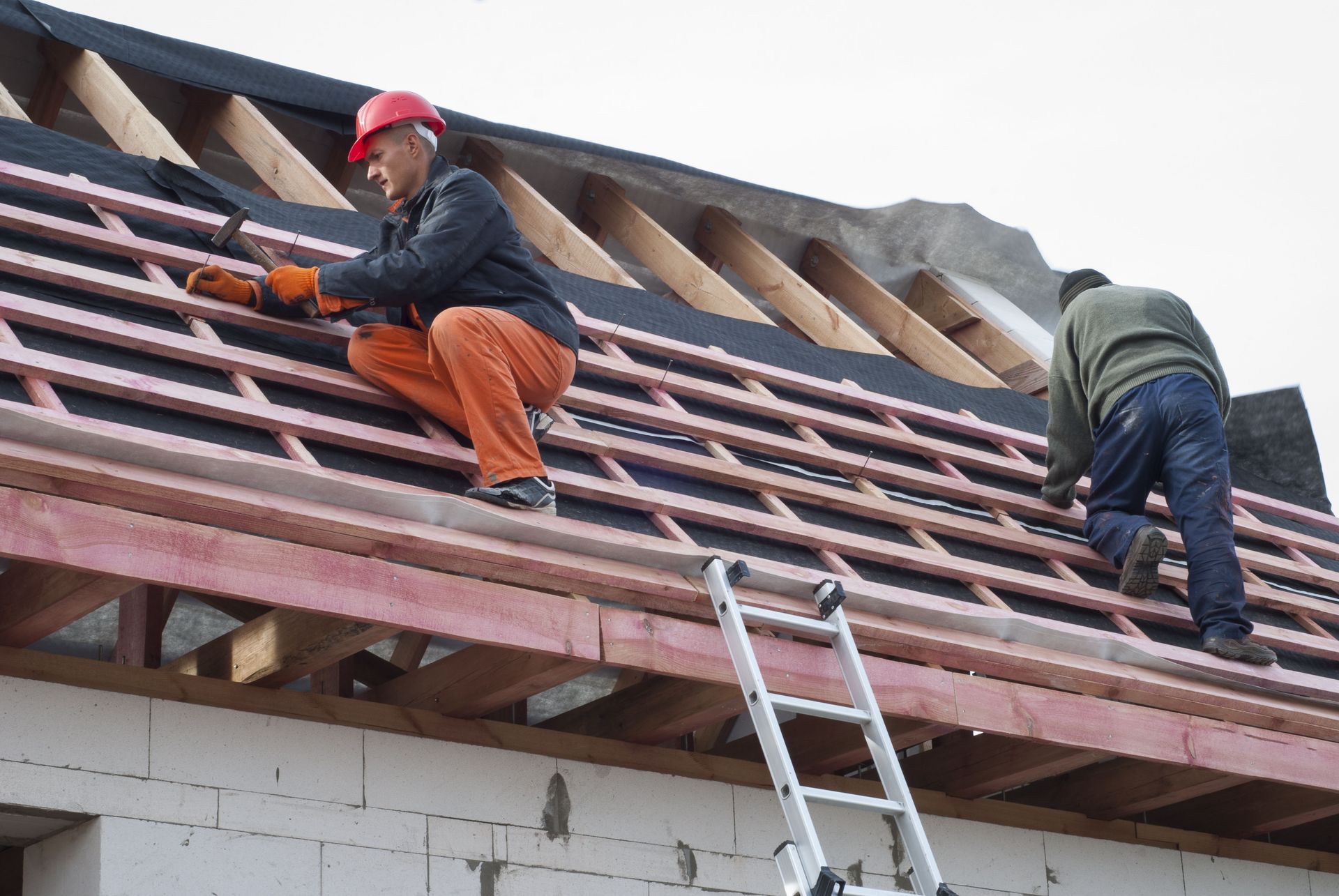
Some of the most important roof conditions are completely hidden until shingles or other roofing materials are removed. The roof deck forms the structural surface beneath the roofing system, and damaged or deteriorated decking may need to be corrected before a new roof is installed.
Bates Roofing notes that contractors should inspect roof decking for potential rot, water damage, mold, or brittle areas. The company's roof tear-off process includes an inspection of underlying structures and preparation for the new roof system.
Get a Professional View of Your Roof
A roof can hide developing problems long before they become visible from the ground. Subtle sagging, shingle wear, flashing defects, valley problems, drainage issues, ventilation concerns, storm damage, and deteriorated decking all require a closer look to evaluate properly.
If you need a local roofing contractor in Puyallup or elsewhere in the Puget Sound area, contact Bates Roofing. The locally and family-owned company has served the region since 1983 and provides roof inspections, repairs, replacements, gutter services, storm damage work, and specialized roofing services. With more than 40 years of experience, free estimates, and convenient financing options, Bates Roofing can help you understand what is happening on your roof and what it may need next.